Tips and help with working on a Black & White Short Film

Hello, my name is Reyner Garza & I own a very small prosthetic company called RGFX LLC. I wanted to ask for help and tips on what to do or not to do for a white and black short film. I never done a film at all, but I’ve made foam latex, silicone, & pros-aide transfers prosthetics for at least 3 years.  

I will be using pros-aide transfer and silicone prosthetics for the shoot. Any tips on how to paint? I have a bunch of ProAiir, Skin Illustrator, & EBA airbrush makeup, plus some cream. 
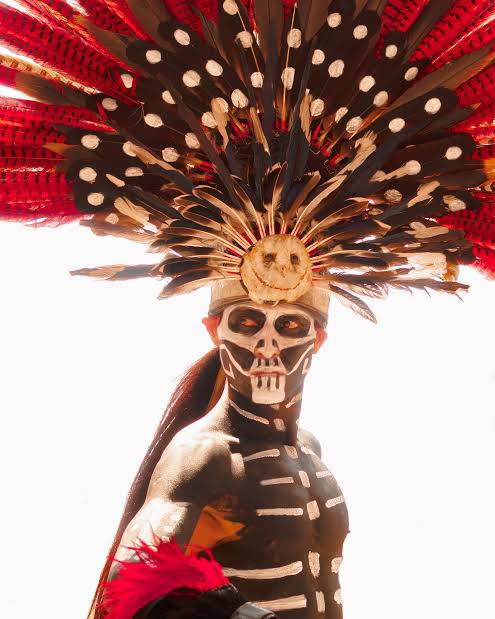
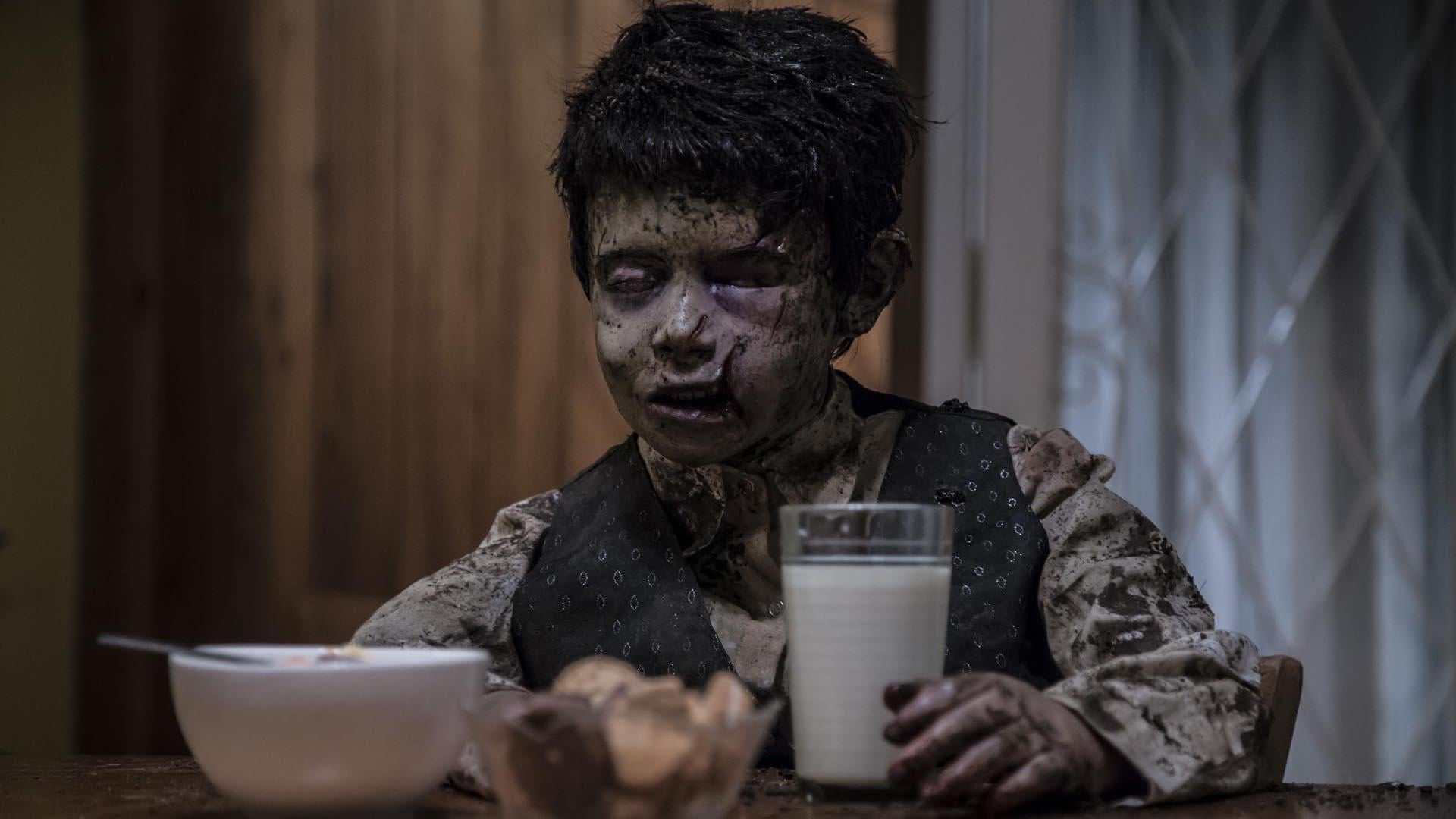
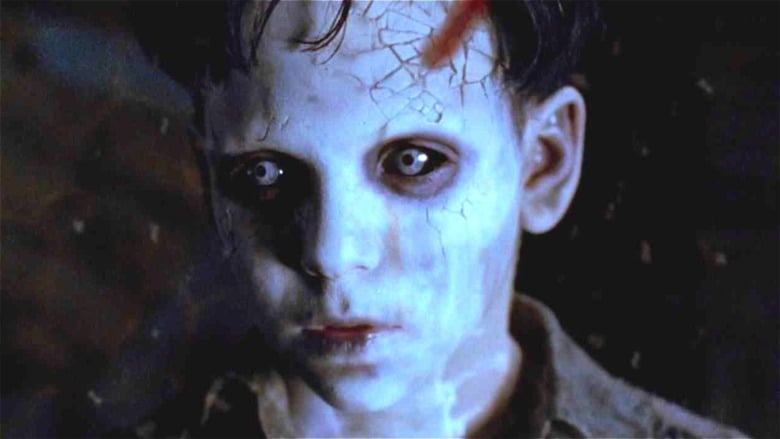
I would highly appreciate the help, I am just a little nervous for being my first time.  Here are some references pictures on what I will be working on. 


Mictlantecuhtli the Aztec god of the dead and the king of Mictlan

Kid victim/ghost 

Acid burned victim/man 

Protagonist dirty/dirt look
 

Comments

  • talk with the art team on the project and the director if possible, You can use their direction to see what you need to push! They might ask you to sub out a color so they can track or key easier... or just want the details pushed. if you paint everything B&W it might not read against the rest of the world (assuming that is all color and not monochrome). 
    There are some interesting effects that can happen when converting color to BW so that might give you something to play with, have fun and share the results if you can :)
  • I would want to determine how they are achieving their black and white look.  Are they filming digitally and converting to black and white in post?  If they are going digital, do they have LUT examples they are working off? Will they have black-and-white preview monitors on set with those LUTs?  Or are they using film, and if so, what film stock and process?   All those things change how color will translate to black and white, and how you can see what makeup looks like on set under their lighting with their gear.  

    Test makeups will be important, as will understanding color value.  One thing that can help is previewing your makeup fully desaturated during application, so you see only the values of the colors you are applying.  This can be done by taking photos on your phone and desaturating them to black and white.  Just be careful about applying black and white filters, as those can change contrast. 

    The tests will be important, as we normally see details broken up by hue, saturation, and value, so when things are reduced to black and white, you can lose detail, contrast, or distinction that was being provided by color information that has been removed.  You will need to adjust for that, primarily by focusing on color value.

    Lighting will also be super important, as when filming for black and white it's easier for characters to blend into their backgrounds, so they may be leaning into more aggressive lighting to help provide that separation.  This can impact how the makeup will look, so getting an understanding of how they plan to light your makeup will be key.

    /Chris
  • talk with the art team on the project and the director if possible, You can use their direction to see what you need to push! They might ask you to sub out a color so they can track or key easier... or just want the details pushed. if you paint everything B&W it might not read against the rest of the world (assuming that is all color and not monochrome). 
    There are some interesting effects that can happen when converting color to BW so that might give you something to play with, have fun and share the results if you can :)
    I will definitely post results everything goes good 🤞
  • I would want to determine how they are achieving their black and white look.  Are they filming digitally and converting to black and white in post?  If they are going digital, do they have LUT examples they are working off? Will they have black-and-white preview monitors on set with those LUTs?  Or are they using film, and if so, what film stock and process?   All those things change how color will translate to black and white, and how you can see what makeup looks like on set under their lighting with their gear.  

    Test makeups will be important, as will understanding color value.  One thing that can help is previewing your makeup fully desaturated during application, so you see only the values of the colors you are applying.  This can be done by taking photos on your phone and desaturating them to black and white.  Just be careful about applying black and white filters, as those can change contrast. 

    The tests will be important, as we normally see details broken up by hue, saturation, and value, so when things are reduced to black and white, you can lose detail, contrast, or distinction that was being provided by color information that has been removed.  You will need to adjust for that, primarily by focusing on color value.

    Lighting will also be super important, as when filming for black and white it's easier for characters to blend into their backgrounds, so they may be leaning into more aggressive lighting to help provide that separation.  This can impact how the makeup will look, so getting an understanding of how they plan to light your makeup will be key.

    /Chris
    This a lot of useful information! Thank you very much! I will ask all this questions soon and try the makeup test as well. Thank you again Chris!!!!
Sign In or Register to comment.